
Spooky Animals: Halloween Activities for Kids
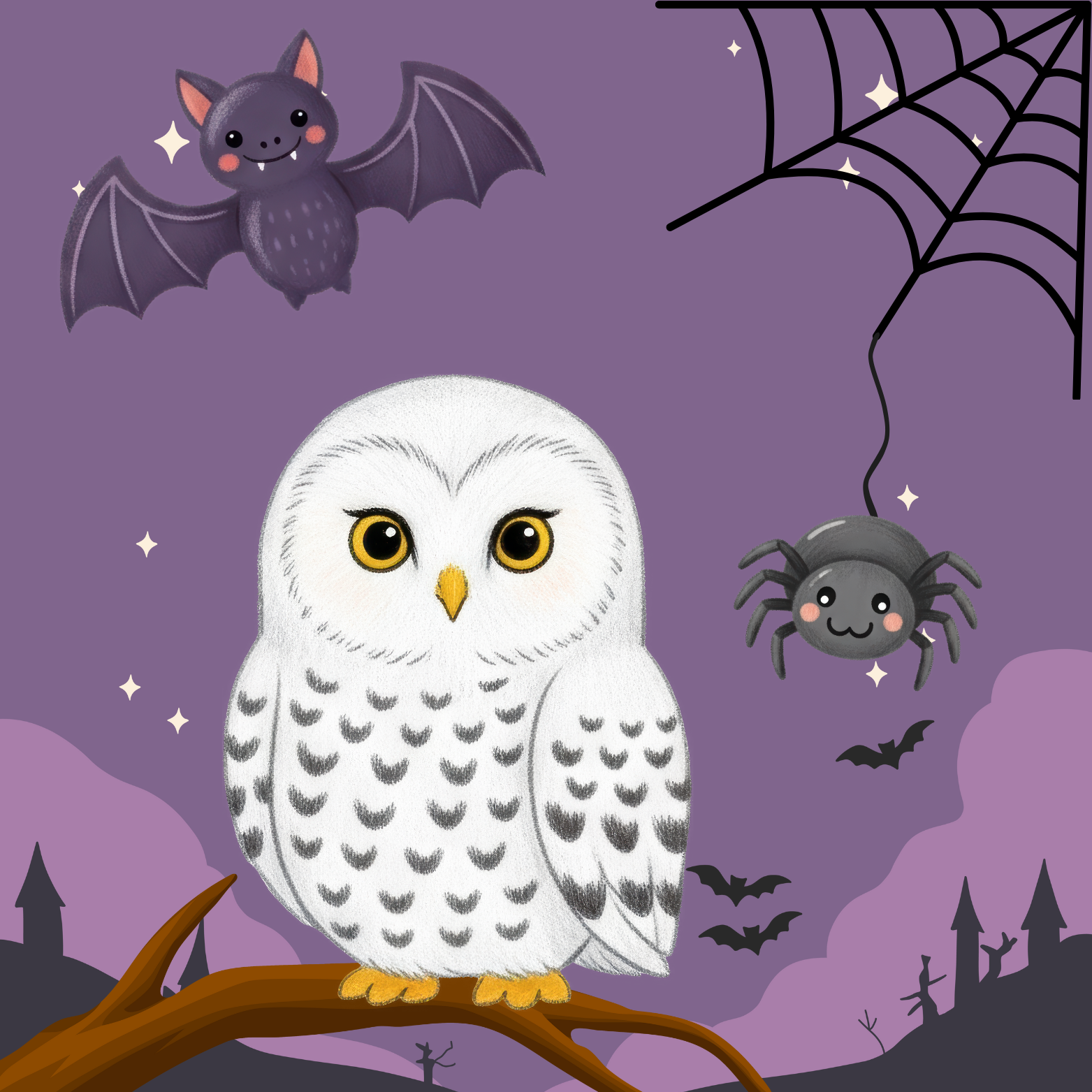
Looking for Halloween activities for kids that go beyond crafts and costumes? This resource collection adds a touch of Halloween fun to your classroom with lessons that fit right into units you may already be teaching, like nocturnal animals or forest life. This collection turns bats, owls, and spiders into real science lessons on nocturnal animals and forest life, using stories, games, and hands-on activities your class can use right now. Each resource helps kids see that animals we sometimes think of as scary are actually fascinating and important for our environment.
Bat Lessons & Activities
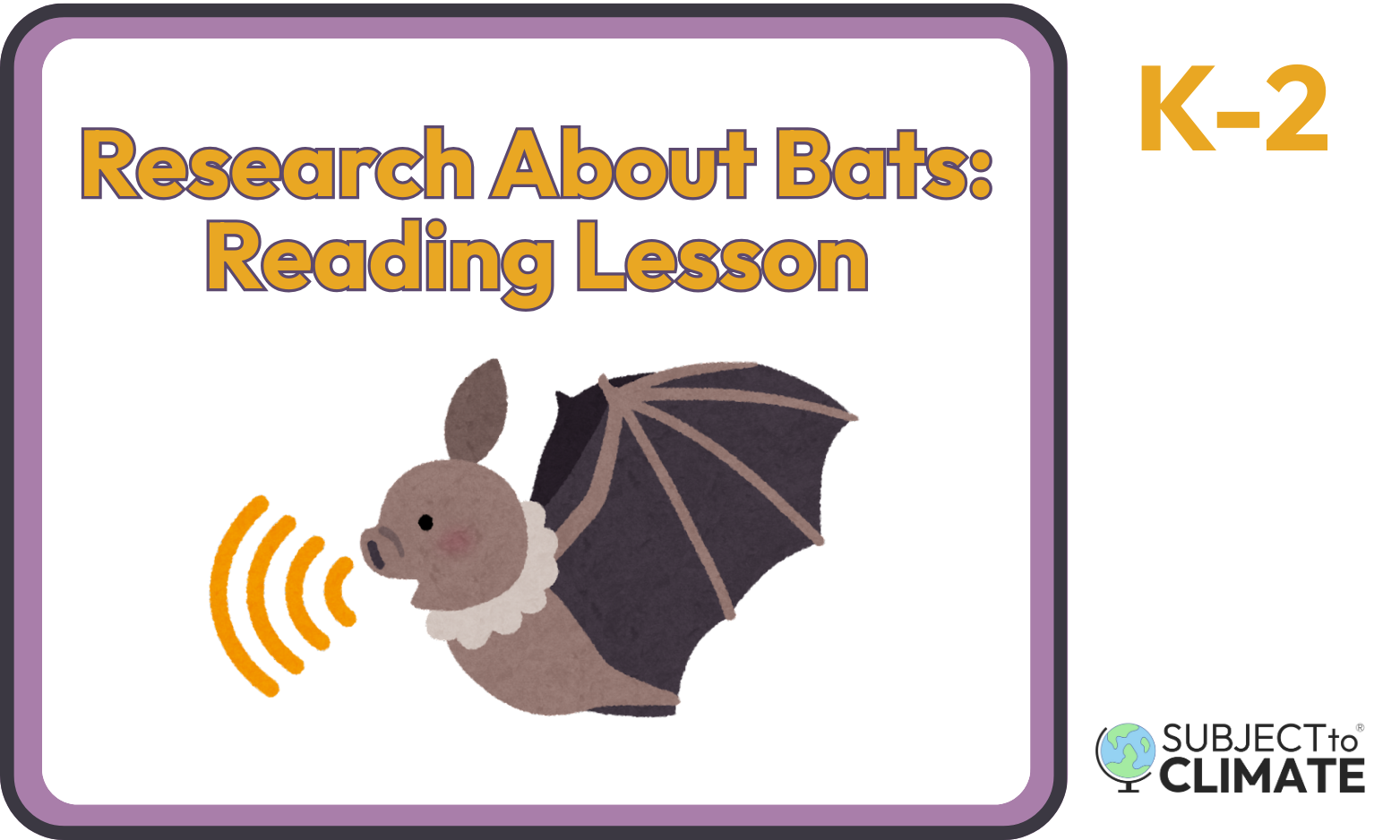
This reading and ELA lesson uses the book Amara and the Bats to help students learn why bats matter and the challenges they face. Through hands-on activities like “read and write the room” and building bat boxes, kids get to investigate and share their learning in creative ways. It’s a great way to connect literacy, science, and creativity while encouraging students to see bats as helpers instead of something to fear.
This science activity is perfect for spooky season, letting students read, play an echolocation game, and explore bat anatomy all in one place. Along the way, they’ll see why bats are such important (and often misunderstood) creatures in our ecosystems. You can even use it to spark a conversation about other animals with special skills.
This interactive story map follows Echo the Bat as he grows, learns from his mother, and migrates across Arizona. Students can trace his journey on the map through places like the Grand Canyon and Roosevelt Lake, making the science feel like an adventure. Encourage students to imagine where they would fly if they were a bat!
Spider Science
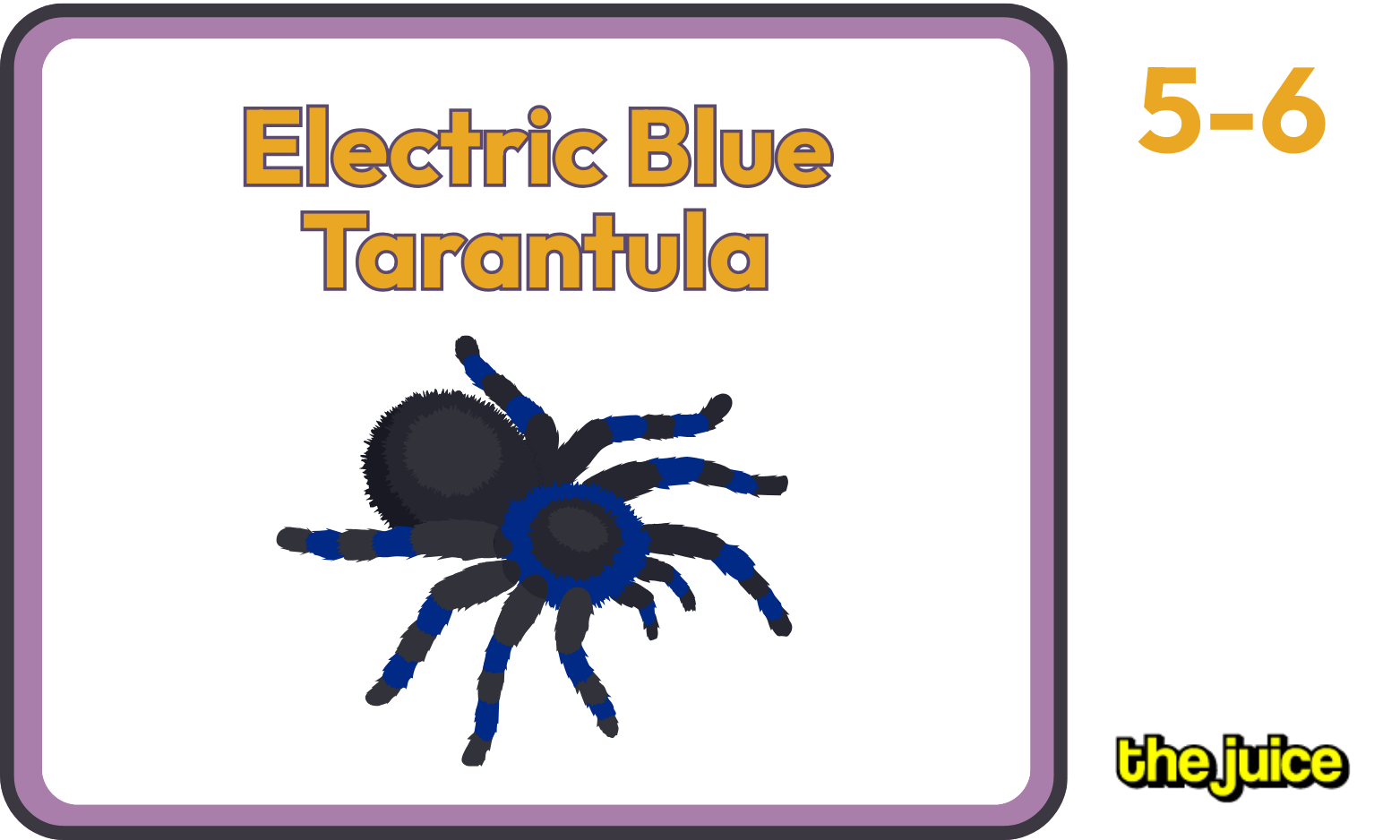
Introduce your students to a brand-new tarantula species with a shocking blue color that looks almost magical. It’s a great way to talk about animal adaptations, unique habitats, and how human activity affects wildlife. You can also have students compare this spider’s special traits to other “spooky” animals they’re studying. After reading the article, be sure to take the comprehension quiz!
This article explains how scientists use spiderwebs to collect tiny bits of DNA from animals to learn which species live in an area. It’s an easy way for students to see how something we might be afraid of can also be useful in science and helpful in our environment. After reading, invite students to find and record observations about spiderwebs in their environment.
Owl & Forest Animal Exploration
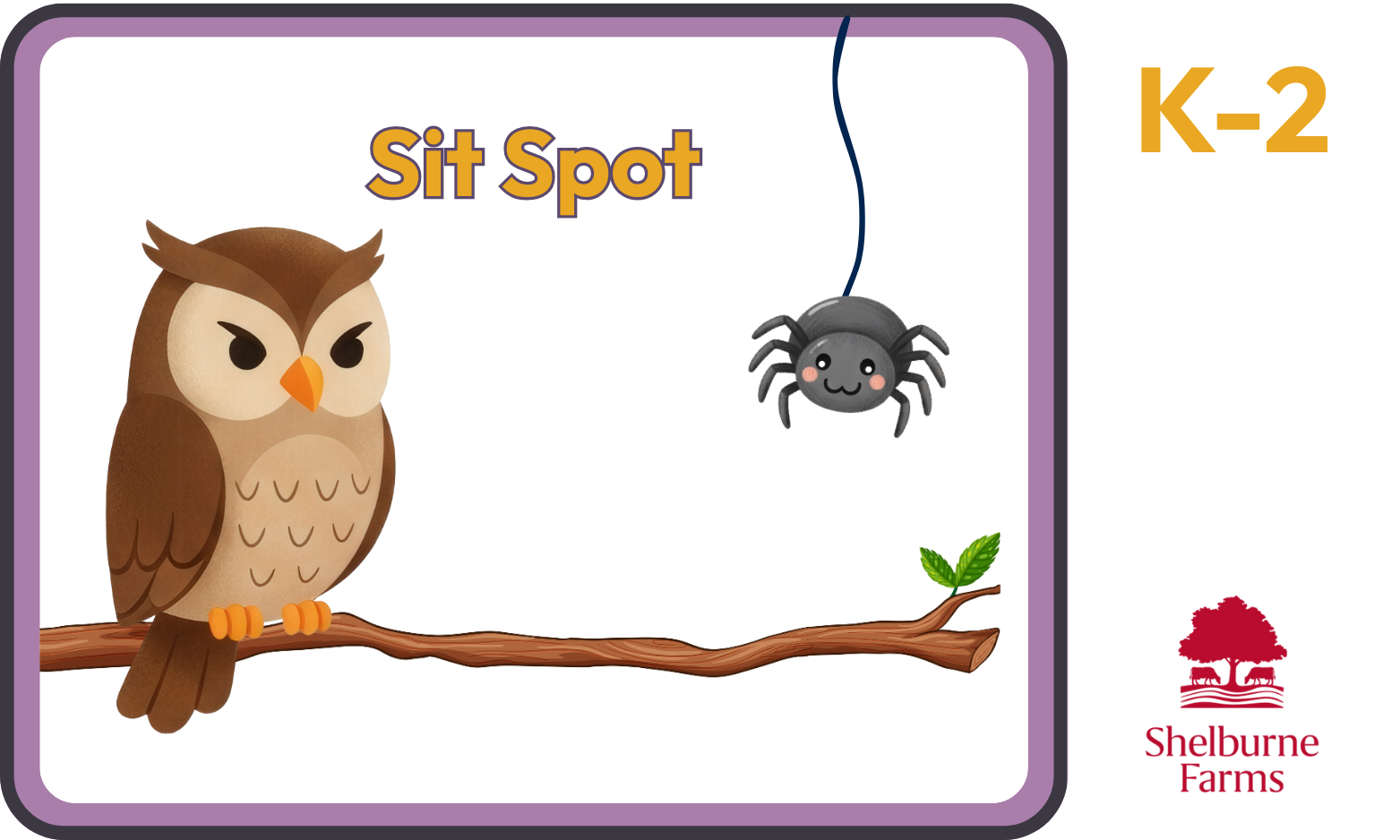
This science lesson invites students to use their “owl eyes” by choosing a special spot, sitting quietly, and noticing what changes around them. It’s a creative way to build observation skills and patience while connecting to owl habits. You can use this as a starting point for learning about owls and other nocturnal animals.
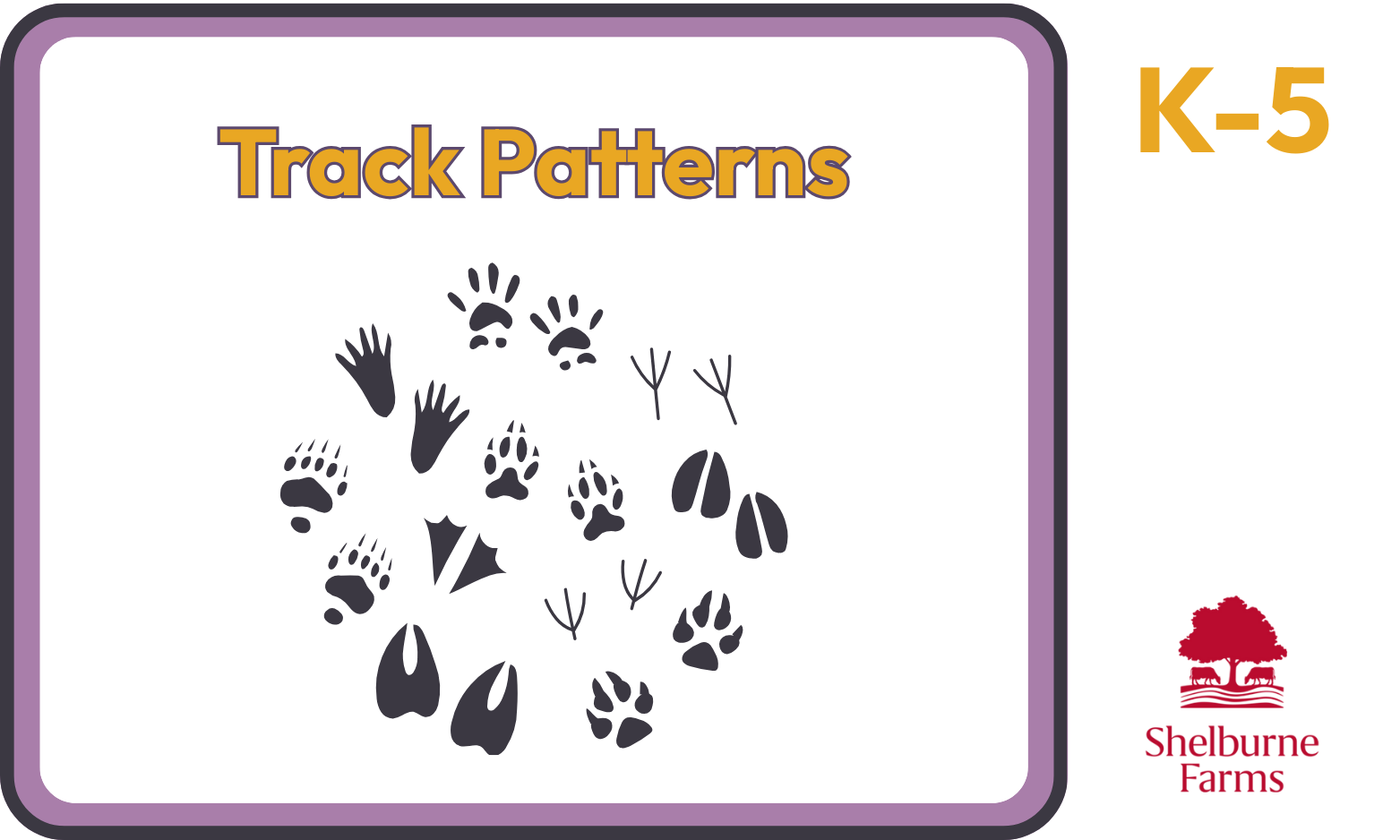
This printable worksheet helps students learn how to identify animals by their tracks, using clues like size, shape, and pattern. It’s an engaging way to practice observation skills and connect science to the mystery of hidden wildlife. You can pair it with lessons on bats, owls, or spiders by asking students to imagine what kinds of tracks these “spooky” animals might leave behind.
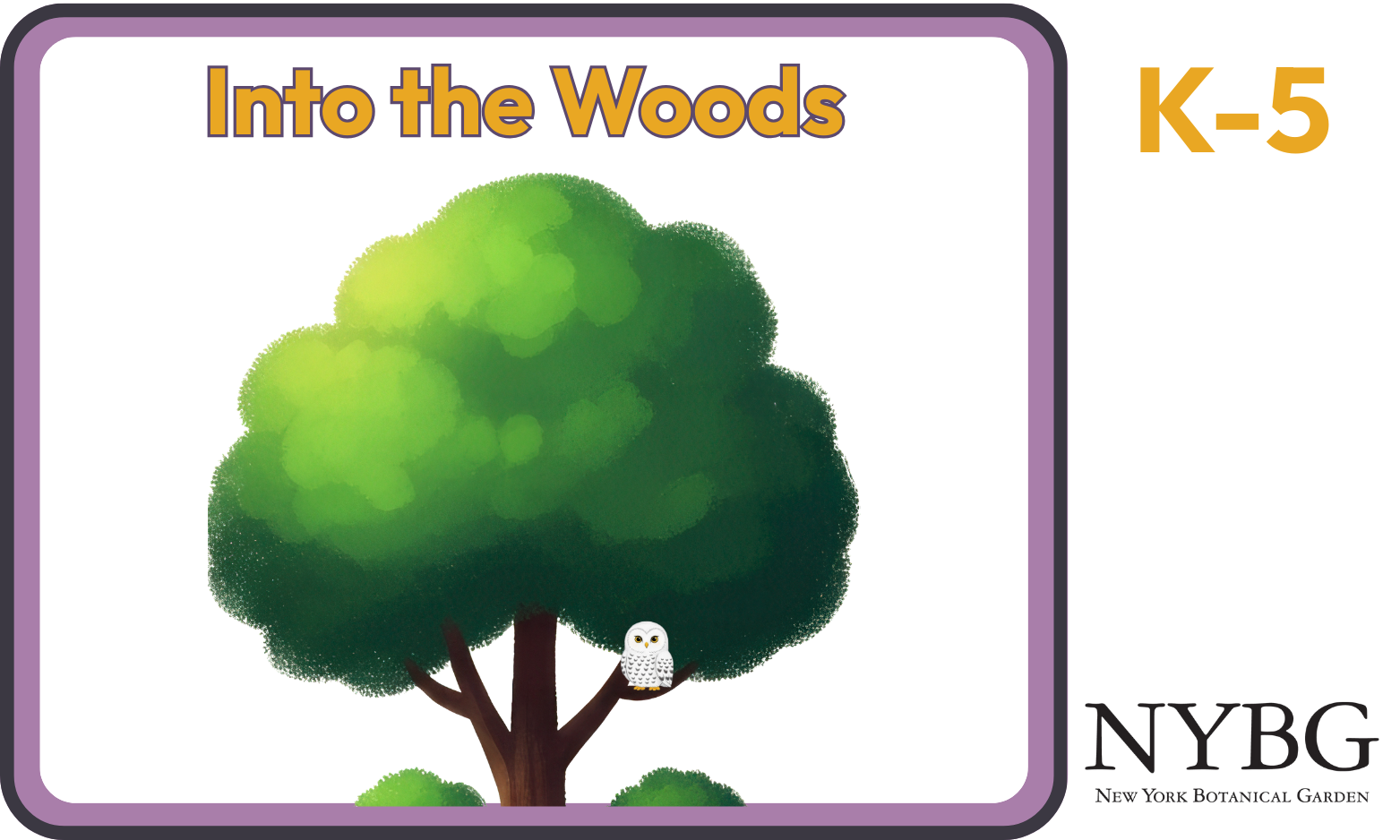
In this outdoor activity, students will explore a local forest to observe plants and animals. They’ll draw what they see, make a list of organisms, and compare leaves while practicing patience and careful observation. You can connect this to nocturnal animals—like owls, bats, and spiders—by asking students to imagine what creatures might come out after dark.
Teacher Author

Elizabeth Ward - Kindergarten Teacher
Elizabeth Ward brings more than 12 years of classroom experience to her work in education. She earned her Bachelor of Science in Education from Oklahoma State University and has spent her career teaching across a wide range of subjects and age groups, including English as a Foreign Language, Science, Social Studies, and interdisciplinary curricula. Her teaching background spans kindergarten and third-grade classrooms as well as multi-age learning environments, giving her a firsthand understanding of how students grow and learn at different developmental stages. Elizabeth holds an Oklahoma Elementary and Early Childhood Certification and is also TEFL certified.
FAQs
1. Why use bats, owls, and spiders to teach science around Halloween?
These animals already have students' attention this time of year, so they're a natural hook into real science. Instead of leaning on the "scary" stereotype, this collection reframes each creature around what it actually does: bats navigate by echolocation, owls rely on sharp senses to hunt at night, and spiders help scientists collect environmental DNA. It turns seasonal curiosity into a lesson on adaptations and ecosystems.
2. How do I fit these into a unit I'm already teaching?
Most of these resources are built to slot into existing nocturnal animals or forest life units rather than replace them. The Sit Spot activity works as an entry point into observation skills before a broader owl lesson, and the Into the Woods nature hunt can be framed around what creatures come out after dark.
3. What grade levels are these Halloween animal activities for?
The collection is designed for elementary classrooms. Activities like Track Patterns lean on observation and pattern recognition, while the Echo the Bat story map and Research About Bats reading lesson pair well with early literacy skills, so teachers can pick based on where their students are.
4. How can I teach about bats and spiders without scaring my students?
Each resource is written to shift kids from fear to curiosity. The Research About Bats lesson uses the book Amara and the Bats to show bats as helpers, not threats, and the spiderwebs DNA article reframes something students might find creepy as a genuinely useful scientific tool.
5. What's a quick way to use this collection with limited class time?
Pick one resource rather than the whole set. Batty About Bats works well as a single-session activity since it combines reading, an echolocation game, and anatomy in one place. For something shorter, Track Patterns or the Electric Blue Tarantula article can stand alone as a 15-20 minute activity.
Ready to keep the learning going? Explore even more free, high-quality resources on climate change, animals, and the environment at SubjectToClimate.org. Find lessons, activities, and ideas to bring climate topics into any classroom.