
Scraps Into Soil
Grades: K, 1, 2, 3, 4, 5
Type: Lesson Plans
Subjects: Science
Authors: Population Education
Location: Earth
This resource has been reviewed by SubjectToClimate's climate scientists and verified for scientific accuracy and up-to-date information. Learn about our review process →
This resource has been reviewed by SubjectToClimate's climate scientists and verified for scientific accuracy and up-to-date information. Learn about our review process →
Synopsis
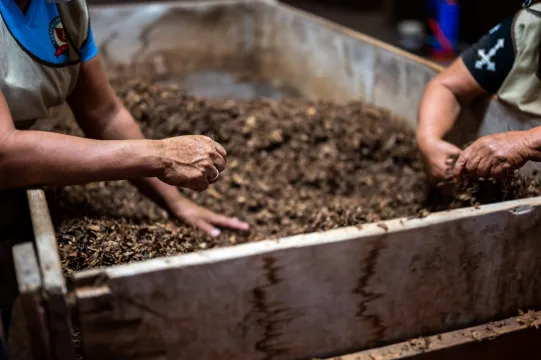
- This lesson plan provides instructions for a composting experiment that investigates the decomposition of organic and inorganic waste.
- Students will gather materials, observe how they decompose over time, differentiate between natural and human-made products, explain the difference in decomposition rates between the two, and explain the importance of composting to reduce landfill waste.
- This resource includes a student worksheet to help students collect data, extension activities, and discussion questions.
Teaching Materials
Positives
- This experiment is a great way for students to observe the process of decomposition.
- The step-by-step instructions are clear and easy to follow.
Additional Prerequisites
- To view this lesson plan, teachers need to download the PDF file. To download the file, educators must provide an email address.
- Materials needed for this activity include 1/2 gallon plastic milk jugs with caps, scissors, masking tape or duct tape, soil from outside with no worms or bugs, compostable items, and spoons.
- This experiment takes about 3 weeks, so teachers should plan accordingly.
Differentiation
- Teachers can create a word wall with pictures and definitions of vocabulary words such as decomposition, composting, organic waste, and inorganic waste.
- Teachers can use the provided student worksheet or science notebooks to help students collect data as they observe the different stages of decomposition. Using a digital camera or an instant camera, students can add pictures of the compost jugs to their notes.
- At the end of the experiment, teachers can assess student learning by doing the activity in the Measuring Learning section. Students can choose to make a persuasive flyer or a digital presentation.
- Similar resources include this digital picture book about waste disposal, this timelapse video of a worm-based compost bin, and this video about food waste and the climate.
The activities in the resource will guide students to differentiate and measure the decomposition rates from natural and anthropogenic sources. This resource is ideal for teaching.
Teaching Tips
Standards
Resource Type and Format
Scientist Reviewed
This resource has been reviewed by SubjectToClimate's climate scientists and verified for scientific accuracy and up-to-date information. Our review process ensures that every resource in our library reflects the current state of climate science.
Learn about our review process →