
Wildlife Officers Race to Find Rat Before it Destroys Alaska Island Ecosystem
September 26, 2024

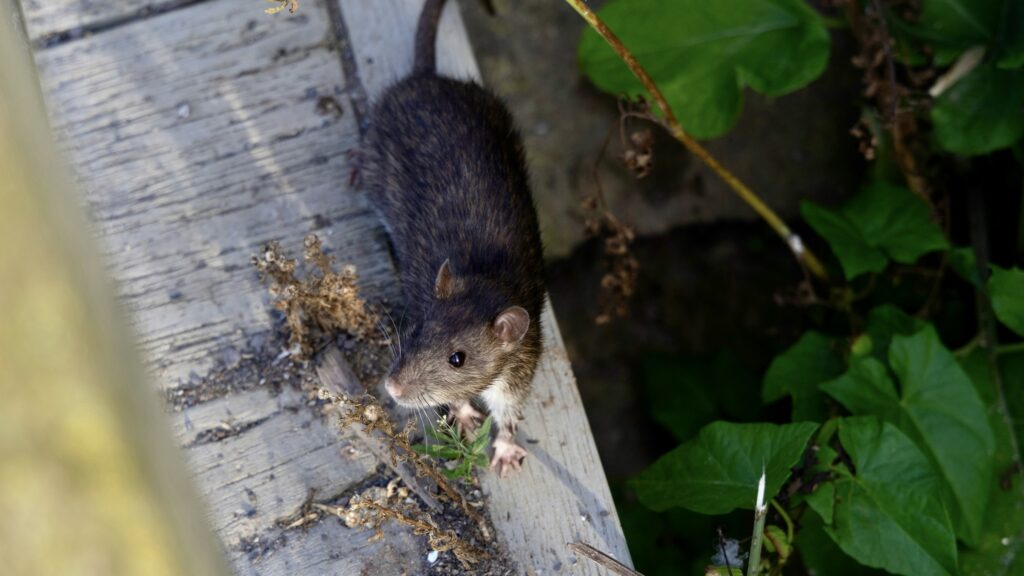
When dealing with a rat in their midst, most folks set out traps and wait for the traps to do their work. On Alaska's St. Paul Island, wildlife officials are engaged in an intense hunt to find one rodent. And they’re not even certain the varmint is there.
St. Paul Island is part of a chain of islands known as the “Galapagos of the North.” It has a tiny population of 350 people. It's home to diverse species of wildlife. And this richness could be wholly ruined by the presence of one pregnant, non-native rat. Rats can destroy thriving seabird populations. Rats eat their eggs, hatchlings, and even full-grown birds. This can set off a chain-reaction. Other species and plants can be destroyed because of the birds’ disappearance.
“We’ve seen this on other islands and in other (places) in Alaska and across the world,” Lauren Divine, Aleut Community of St. Paul Island’s ecosystem conservation office director, told The Associated Press (AP). Divine said "rats absolutely decimate seabird colonies." Divine stressed this threat isn't one that should be ignored.
So when an islander spotted a rat at an apartment complex, exterminators swooped in with black lights and peanut butter-baited traps. They crawled through the grass looking for rat droppings and tooth marks on wood. They installed cameras.
Wildlife officials have yet to find evidence that a rat is there. But their ramped-up surveillance is likely to last for months. In 2019, it took nearly a year to chase down the last confirmed rat on St. Paul’s. When inspectors finally caught up with it, the rodent was dead.
Divine told the AP that searching for the rat is like looking for a needle in a haystack “and not knowing if a needle even exists.”
Reflect: What are some steps communities can take to protect their local environment from invasive species, and why is it important to do so?
Photo of a rat from Unsplash courtesy of David Farkas.
News brought to you by 
Read More News Stories Today!