
WHO Declares Egypt Malaria-Free
October 25, 2024

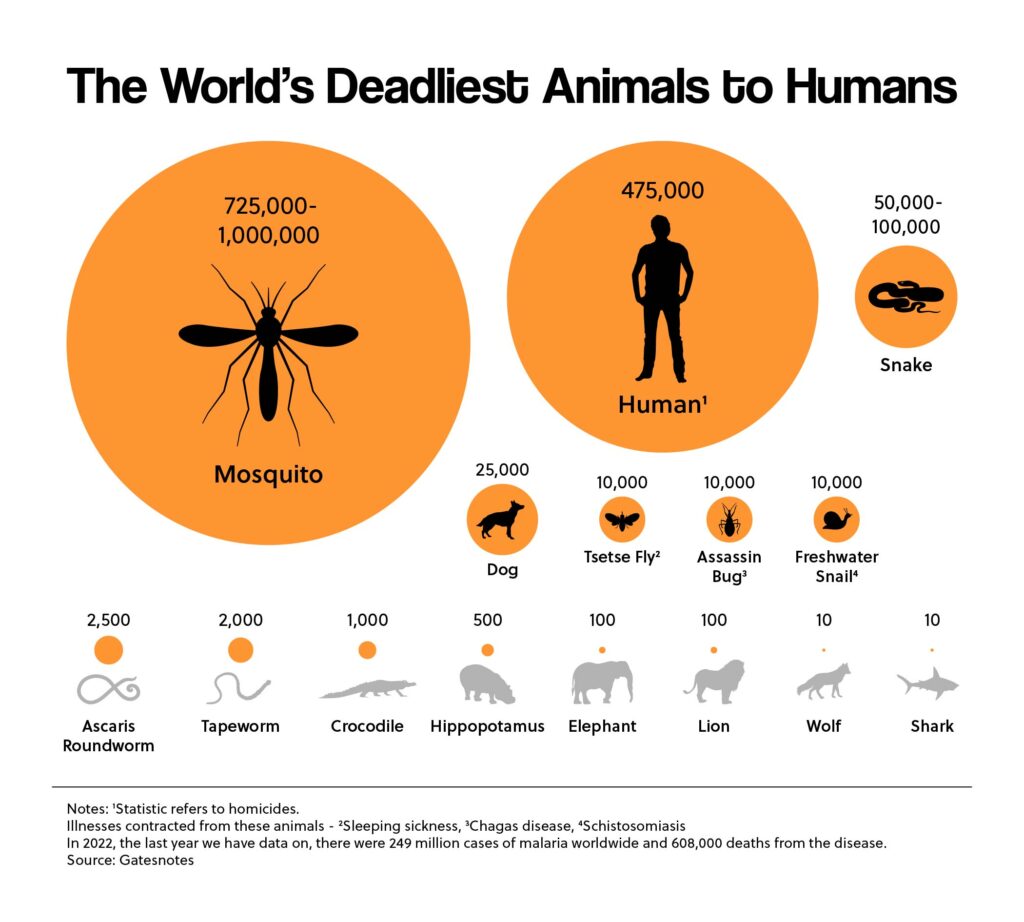
This week the World Health Organization (WHO) declared Egypt malaria-free for the first time ever. The insect-borne disease killed King Tut more than 3,300 years ago. And today it kills more than 600,000 people a year.
“ Malaria is as old as Egyptian civilization itself," declared WHO chief Tedros Adhanom Ghebreyesus in a written statement. "But the disease that plagued pharaohs now belongs to its history."
The statement comes more than 100 years after Egyptian leaders launched their first efforts to rid the country of malaria. The disease is caused by a parasite. It spreads through the bites of infected mosquitoes. It thrives in warm climates close to the Equator. Most deaths from the disease occur in Africa.
Malaria symptoms can start weeks after being bitten. They include fever, chills, and diarrhea. Some report headache, muscle pain, nausea, and vomiting as well. The disease can be cured with medicine. It's also preventable. One method is through vaccines. Another method is to limit contact with mosquitoes. That could involve wearing proper clothing or using bug spray. Screens for windows and nets for beds can also help.
WHO certifies countries as malaria-free if they can show that the disease has not been spreading within the country for three straight years. Egypt has become just the third nation in the eastern Mediterranean to achieve this status. The others are the UAE and Morocco.
Malaria cases in Egypt date as far back as 4,000 BCE. The nation’s history has had many outbreaks. Three million cases were reported there during World War II.
“Today is not the end of the journey but the beginning of a new phase,” Khaled Abdel Ghaffar said in a written statement. He is Egypt's deputy prime minister. The next phase, he said, is to sustain the achievement.
Reflect: How do you think a country can maintain progress after reaching a major health milestone?
News brought to you by 
Read More News Stories Today!