
Ukraine Struggles to Rescue Residents in Now-Flooded War Zone
June 8, 2023

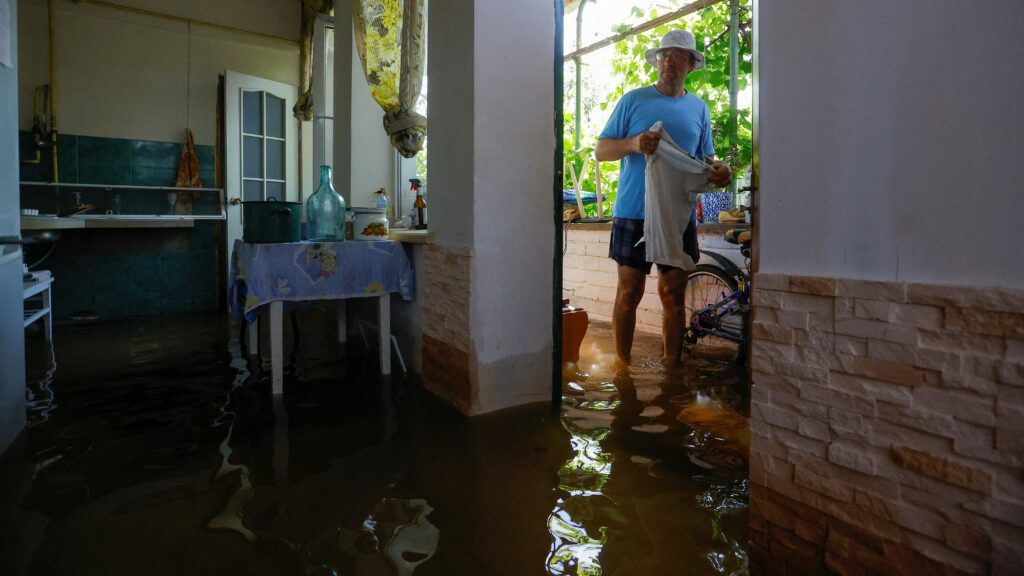
The collapse of a dam and hydroelectric power plant in southern Ukraine is causing a humanitarian and ecological crisis. About 3,000 people have been evacuated as the war-torn area floods. Thousands more may need to leave the area by boat.
On Wednesday, the water level kept getting higher. Rescue workers tried to move people to safer places. Some people are stuck on their rooftops. Others are now homeless. Safe drinking water is running out, crops are ruined, and electricity shortages are likely, The Associated Press reported.
The war also is making it harder to help flood victims. People there have been dealing with military attacks for over a year. Now, officials are worried that land mines from the war are being moved by the flood water to places where lots of people live, like the city of Kherson.
The Ukrainian president said on social media that the efforts to move people from areas controlled by Russian forces haven't worked. He said a lot of people don't have clean water to drink. He has asked for help from other countries.
The dam and power plant on the Dnieper River broke on Tuesday. The reason why is still unclear. The area was already damaged because of the war. Ukraine says that Russian forces blew up the dam, but Russia says that Ukraine did it on purpose. Now, a lot of the flood water is moving to areas controlled by the Russian army. It controls the eastern side of the Dnieper River for about 185 miles to the south.
Photo from Reuters.
Reflect: Do you think a war can be fought between two countries in a way that doesn’t harm civilians in either country? Explain.
News brought to you by 
Read More News Stories Today!