
Trump Seeks Rare Earth Minerals Stockpile to Protect US Economy from China
February 5, 2026

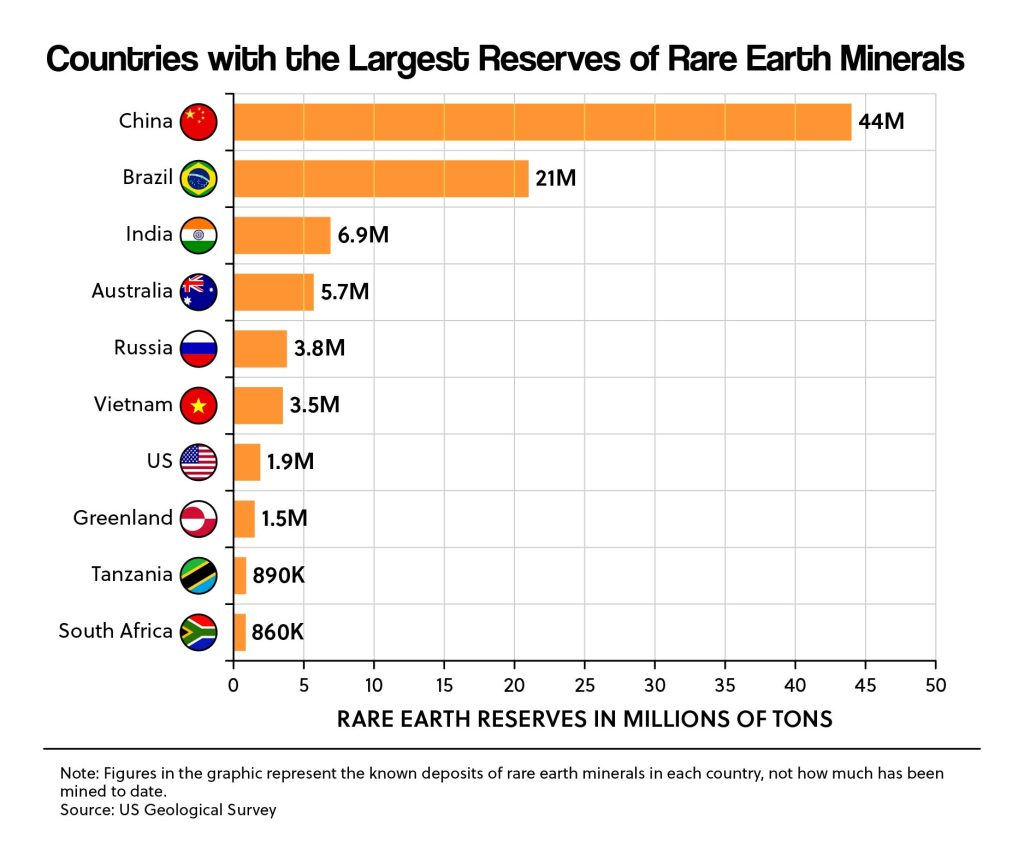
For more than 50 years, the US has stockpiled oil in underground salt caverns along the Gulf Coast. It's meant to be tapped in case of sudden shortages that threaten the US economy. President Trump is now planning a stockpile for rare earth minerals.
The $12 billion project was unveiled by Trump on Monday. It seeks to reduce US reliance on supply chains for crucial minerals controlled by China. They're used to make electronic parts for cars, laptops, and cellphones. The goal is to protect US companies from supply shocks, political disruptions, or export controls, like the restrictions China imposed last year on magnets and minerals. China is the world’s major exporter of rare earth minerals.
“Over the past year my administration has taken extraordinary steps to make sure the United States has all of the critical minerals and rare earths that we need,” Trump said at the White House. People from the car, airline, and mining industries were on hand to hear him.
Trump said Project Vault is like the US Strategic Petroleum Reserve. The reserve was formed in 1975. That was two years after an embargo by oil producing Arab states. That spiked oil prices by four times. It set off an 11% spike in US inflation. It also caused the nation’s gross domestic product to slip.
Project Vault is paid for in part by $10 billion in loans obtained through the US Export–Import Bank. It's also paid for by up to $2 billion in private capital. The project would create a network of storage sites in the US. Trump hasn't said where these sites will be.
Critics wonder whether Project Vault can shift much global market power away from China. They also question its cost. They question its environmental impacts too. But industry groups praise it as a win for US security.
Reflect: Think about something important you use every day that might be hard to get if supplies ran low. How would that affect your life?
News brought to you by 
Read More News Stories Today!