

Reptile History Made as California Welcomes First Sea Turtle Nests
September 30, 2026

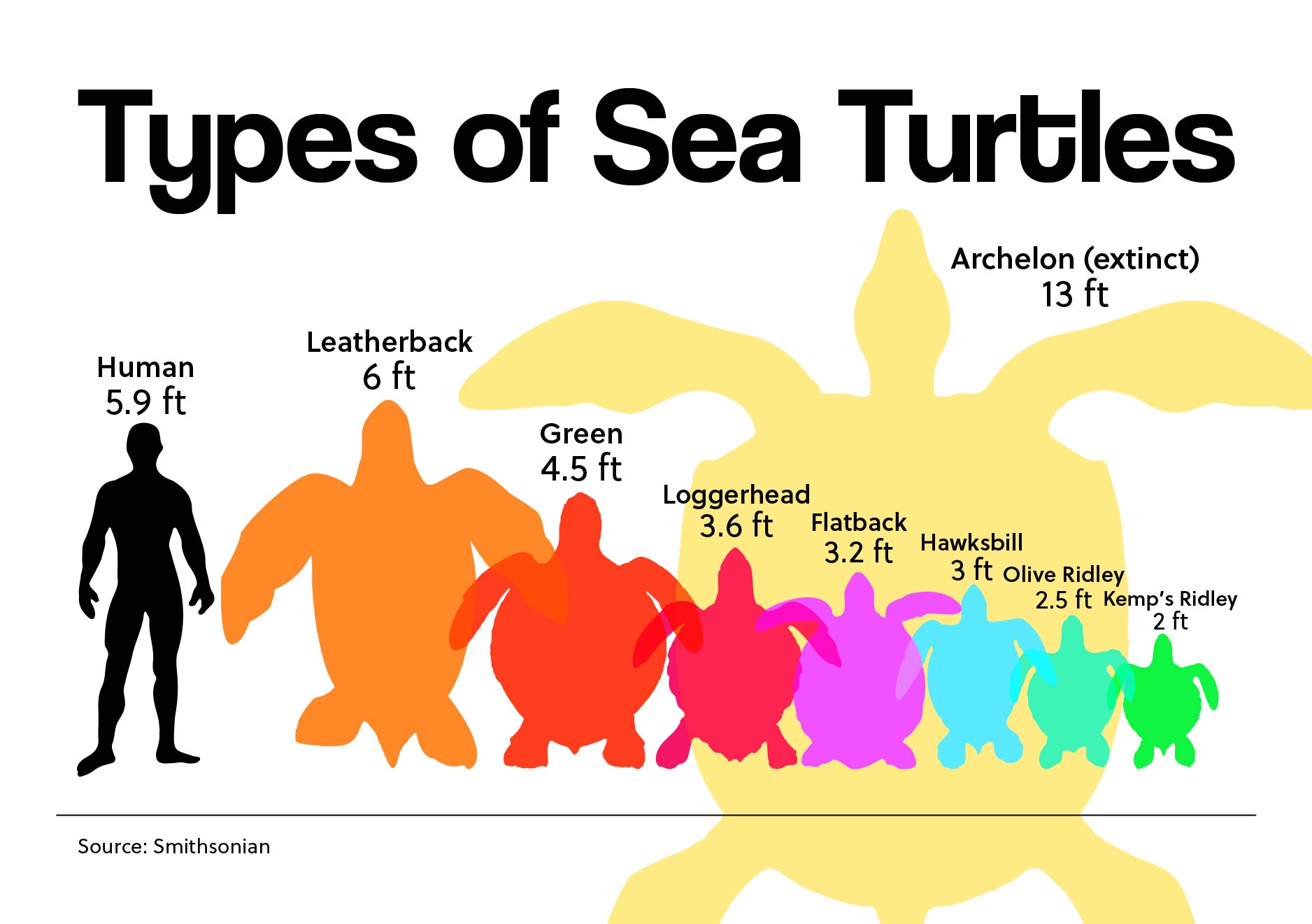
Olive ridley sea turtles typically nest on beaches from Mexico to Panama. Sometimes they arrive in waves of thousands called arribadas. This month, two of them crawled ashore somewhere the species had never been observed nesting: Southern California.
On September 16, lifeguards spotted a female olive ridley digging a nest near Seal Beach in Orange County. Three days later, one laid eggs a few miles south. It nested near the Huntington Beach Pier. Experts studied the shells of the turtles in photos. They found the nests belonged to two different turtles.
"This is the first documented case of a turtle nesting on the west coast," Justin Viezbicke told The Guardian. He works for the National Oceanic and Atmospheric Administration. Olive ridleys’ normal nesting grounds lie hundreds of miles south, in Mexico.
Why California this year? Viezbicke called it the "million dollar question." Experts point first to El Niño. It's a periodic warming of Pacific waters that has pushed ocean temps higher. A recent hurricane may also have blown the turtles off course. Sea turtles find their way using a number of cues. Water temperature is one of those cues. So changing conditions can lead them astray.
Some experts see what could be the start of a longer-term shift. An olive ridley's sex is determined by the temperature of the sand where it incubates. Warmer nests produce mostly females. As climate change heats tropical beaches, cooler northern ones could help keep populations balanced, said Lance Adams. He's a veterinarian at the Aquarium of the Pacific. Still, Adams cautioned against reading too much into two nests. "The turtles could be here by mistake," he told The Guardian.
Officials have fenced off both nests. The eggs need 45 to 60 days to hatch.
Reflect: What's the most surprising animal you've ever spotted, and where did you see it?
News brought to you by 
Read More News Stories Today!