

El Niño Forecast to Bring Ever More Heat Across Globe
January 23, 2023

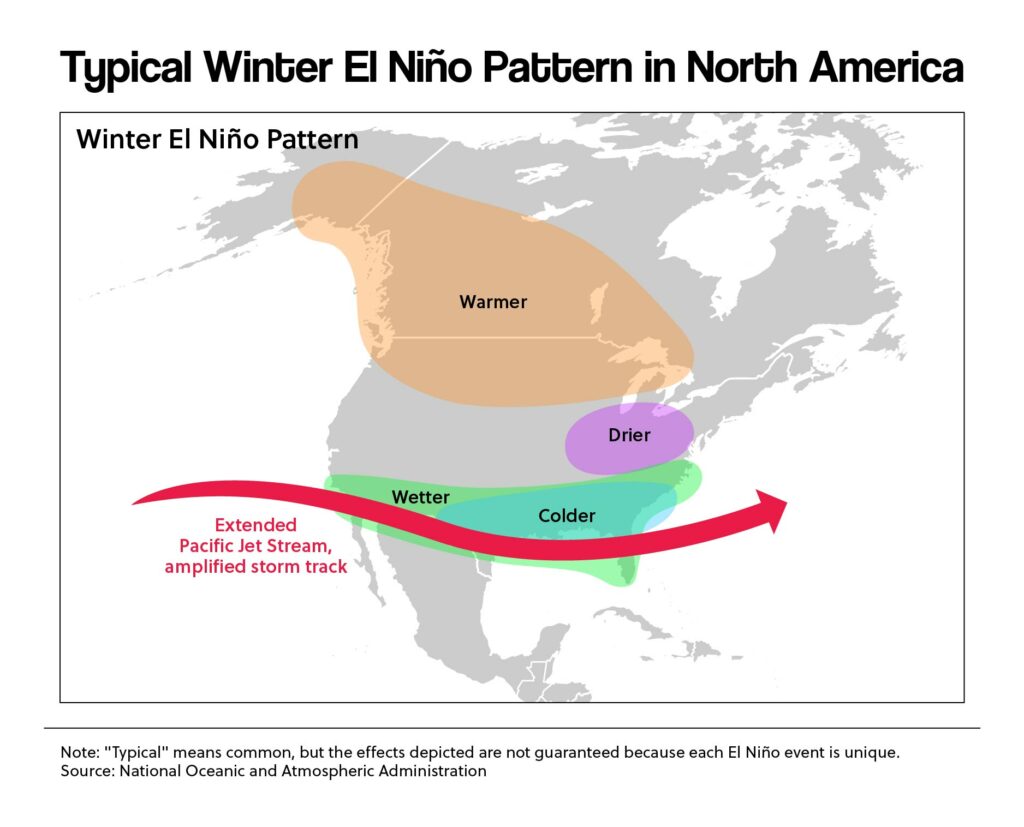
Our planet could face “off the chart” hot temperatures later this year as the weather pattern known as El Niño might return, bringing heat waves with it.
Early forecasts from the UK Met Office in England show that El Niño will be the primary weather pattern over the next few years. It will replace the cooler La Niña. That's what we’ve experienced in the past few years. El Niño is a climate pattern that warms parts of the Pacific Ocean. That results in hotter weather across the globe.
Scientists worry that El Niño could “very likely” warm the planet by more than 1.5 degrees Celsius. That would make one of the next few years the hottest in recorded history. Currently, the hottest year is 2016. El Niño drove that year’s heat. The La Niña pattern took over soon after.
Climate change is caused mostly by greenhouse gasses. The gasses come from the burning of fossil fuels like gasoline. It is already pushing up global temperatures. Combine that with El Niño, and humans could be in store for a lot of heat.
“We know that under climate change, the impacts of El Niño events are going to get stronger, and you have to add that to the effects of climate change itself, which is growing all the time,” the chief long-range forecaster with the UK Met Office told The Guardian. “You put those two things together, and we are likely to see unprecedented heat waves during the next El Niño.”
News brought to you by 
Read More News Stories Today!