
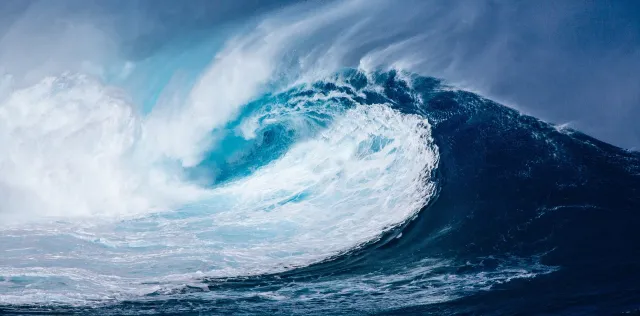
What Is Blue Carbon? The Ocean and Climate Change
Provided by: The Nature Conservancy|Published on: May 11, 2023|Last updated: July 16, 2026
Grades: 9, 10, 11, 12, AP
Type: Videos
Subjects: Biology, Earth and Space Sciences, English Language Arts
Authors: The Nature Conservancy
Location: Earth
This resource has been reviewed by SubjectToClimate's climate scientists and verified for scientific accuracy and up-to-date information. Learn about our review process →
This resource has been reviewed by SubjectToClimate's climate scientists and verified for scientific accuracy and up-to-date information. Learn about our review process →
Synopsis
- This video explores what parts of the ocean are useful for staving off global warming, how these sections of the ocean prevent further global warming, and how humans can protect these marine habitats.
- Students will learn that salt marshes and seagrasses are excellent at carbon storage, they keep Earth's temperature from increasing even further, and humans can protect these habitats by mindfully purchasing seafood and limiting pollutants that enter waterways.
Teaching Materials
Positives
- This video is full of beautiful visuals that were thoughtfully crafted.
- This video is concise and easy to understand.
Additional Prerequisites
- Students should understand the carbon cycle and how it relates to climate change.
- Students need to understand the importance of maintaining Earth's ecosystems and biodiversity.
Differentiation
- This video could supplement an activity or lesson about the carbon cycle, decomposition, habitats, or the relationships between the sustainability of human populations and biodiversity.
- Have students evaluate the evidence and reasoning in this video to describe how coastal ecosystems are beneficial to natural and human environments.
- After watching the video, the teacher could lead a classroom discussion about other ways humans can protect coastal habitats.
- For a language arts course, have students evaluate a speaker's point of view, reasoning, word choice, and tone used to present scientific information. Have them discuss how this affects the messaging and impact of the information.
This video resource from The Nature Conservancy provides an introduction to carbon stored in coastal habitats and oceans, also known as blue carbon. The video begins with an introduction to the role oceans play in the climate and weather before specifically turning to blue carbon, showing how much carbon can be stored in coastal wetlands. These areas are also highlighted for their role in coastal storm protection, as nurseries for fish, and as critical habitat for manatees and other vulnerable and endangered species. The video closes with a call to action and a list of steps that can be taken to help protect these areas. This resource features attractive animations, clear narration, and is recommended for teaching.
Teaching Tips
Standards
Resource Type and Format
Scientist Reviewed
This resource has been reviewed by SubjectToClimate's climate scientists and verified for scientific accuracy and up-to-date information. Our review process ensures that every resource in our library reflects the current state of climate science.
Learn about our review process →