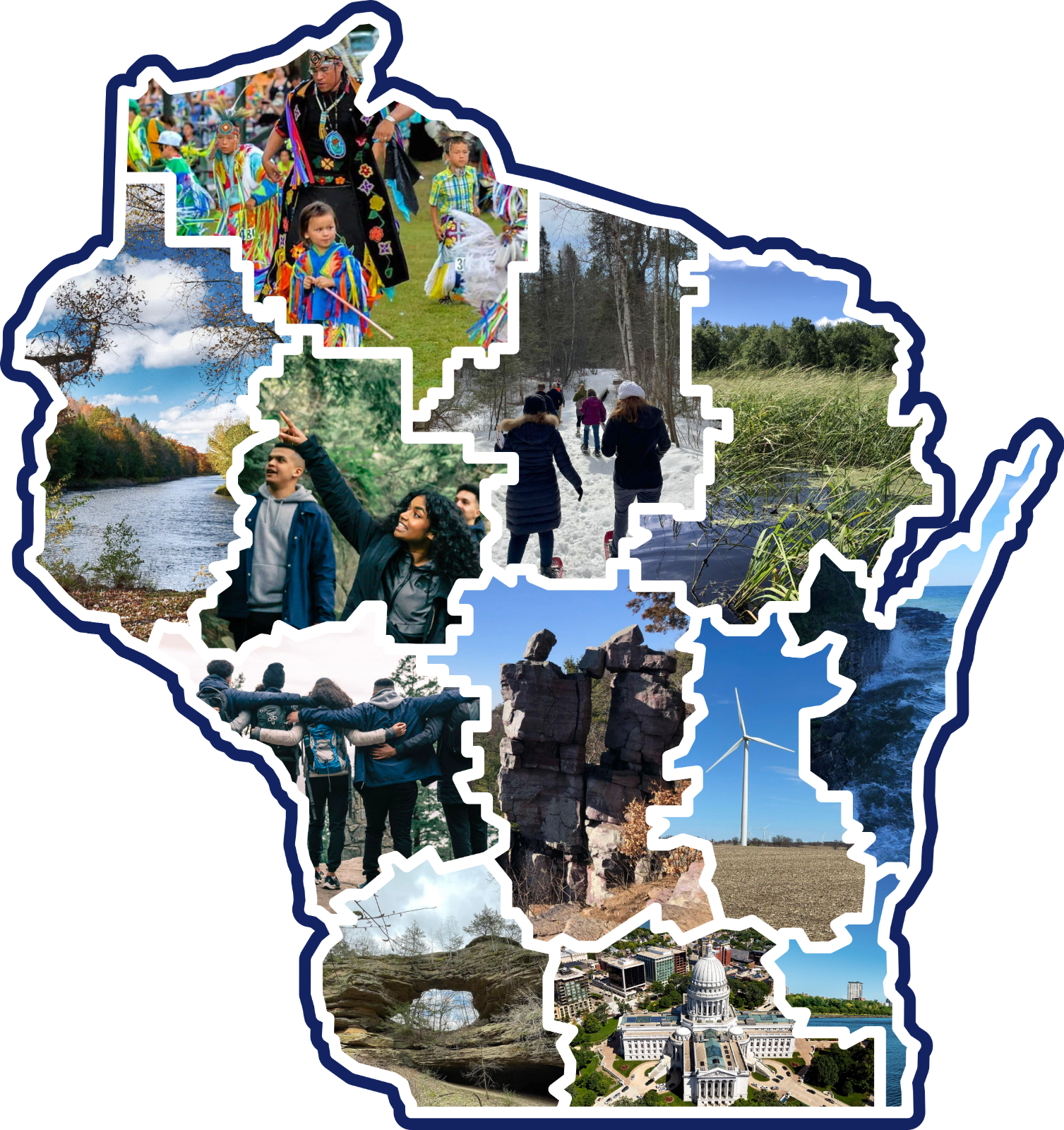

West Michigan Habitats Exhibit
Provided by: Grand Rapids Public Museum|Published on: August 21, 2025|Last updated: July 16, 2026
Grades: 3, 4, 5, 6
Type: Videos
Subjects: Biology, Geography
Authors: Grand Rapids Public Museum
Location: North America > United States > Michigan
This resource has been reviewed by SubjectToClimate's climate scientists and verified for scientific accuracy and up-to-date information. Learn about our review process →
This resource has been reviewed by SubjectToClimate's climate scientists and verified for scientific accuracy and up-to-date information. Learn about our review process →
Synopsis
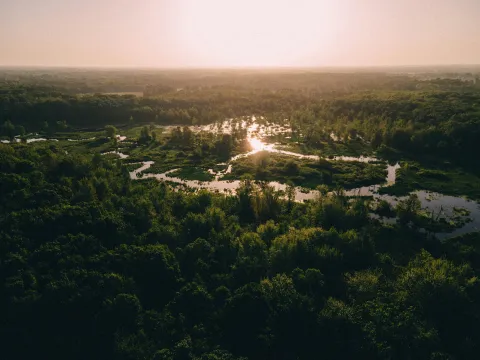
- This video from the Grand Rapids Public Museum shows students the exhibits depicting the forests, wetlands, sand dunes, and waters of West Michigan and explains the importance of each one.
- Students will learn how each habitat provides for plants, animals, and people, understand challenges that disrupt and threaten the habitats, and appreciate each type of habitat through its excellent exhibit at the museum.
Teaching Materials
Positives
- Students will love seeing the exhibits, which look like frozen moments within each of the habitats.
- The video covers each of the habitats briefly, making the video a great length for a quick overview.
Prerequisites
- Students should understand that a habitat is defined by its structure and the plants and animals that live there.
Differentiation & Implementation
- After hearing about the forested area in Michigan, teachers can make connections to climate change by discussing the importance of trees and forests as carbon sinks.
- After watching, students can choose one of the habitats discussed (forests, wetlands, sand dunes, waters) and create a diorama of this habitat, citing things that they learned from the video.
- Teachers can make connections to the UN Sustainable Development Goals throughout this video, especially Goal 14, Life Below Water, and Goal 15, Life on Land. To connect to more of the Goals, teachers can pause after the wetlands segment of the video and ask students to identify goals that marshes address. Students may list Goals 14 and 15, but can also cite evidence for Goal 3, Good Health and Well-Being, Goal 6, Clean Water and Sanitation, and Goal 13 Climate Action.
This video resource details the various habitats found in West Michigan. Basic science concepts are explained clearly, and the role of various habitats in climate change mitigation is addressed. This resource is recommended for teaching.
Teaching Tips
Standards
Resource Type and Format
Scientist Reviewed
This resource has been reviewed by SubjectToClimate's climate scientists and verified for scientific accuracy and up-to-date information. Our review process ensures that every resource in our library reflects the current state of climate science.
Learn about our review process →