
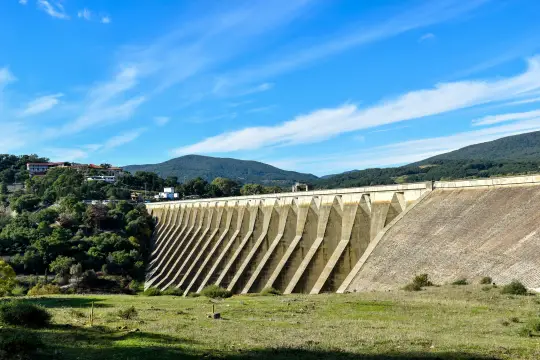
Understand Hydropower
Provided by: Stanford Understand Energy|Published on: May 8, 2026|Last updated: July 16, 2026
Grades: 11, 12
Type: Articles/Websites
Subjects: Earth and Space Sciences
Authors: Dr. Diana Gragg, Bria Schraeder, Sharon Poore, Shirley Chang
Location: Earth
This resource has been reviewed by SubjectToClimate's climate scientists and verified for scientific accuracy and up-to-date information. Learn about our review process →
This resource has been reviewed by SubjectToClimate's climate scientists and verified for scientific accuracy and up-to-date information. Learn about our review process →
Synopsis
- This article provides a comprehensive overview of hydropower as an energy source, covering how it works, its role in the global energy mix, and the environmental and social trade-offs associated with dam construction.
- The article explains key concepts, including reservoir-based and run-of-river hydropower systems, how hydropower contributes to grid reliability, and how changing precipitation patterns due to climate change are affecting hydropower generation.
Teaching Materials
Prerequisites:
- Ensure students are familiar with sources of energy and the difference between clean energy and fossil fuels.
Classroom Implementation:
- Pair this resource with other articles about various forms of clean energy to have students compare the different sources.
- Assign this article as homework for students to read in preparation for a discussion about whether we should implement hydropower or other sources.
- Print the quiz linked at the bottom for students to demonstrate their understanding of the material. Note that the answer key is also available through this link.
Differentiation:
- Support students by providing guided notes where they can record new vocabulary, the benefits and drawbacks of hydroelectricity, and any questions they have.
Related Resources:
- Pair the article with this social studies lesson plan to have students research the drawbacks of dams and consider whether they should be removed.
Sustainable Development Goals Connections:
- Use this resource to make connections to Sustainable Development Goal 7, Affordable and Clean Energy.
This resource investigates hydropower as a source of renewable electricity. The text is exceptionally thorough, supported by a wealth of well-sourced figures. The description of the hydrologic cycle is notable for its clarity. Hydropower is presented as a response to climate change, with emphasis on environmental impacts and uncertainties that may impact hydropower availability. This resource is recommended for teaching.
Teaching Tips
Standards
Resource Type and Format
Scientist Reviewed
This resource has been reviewed by SubjectToClimate's climate scientists and verified for scientific accuracy and up-to-date information. Our review process ensures that every resource in our library reflects the current state of climate science.
Learn about our review process →