
Protect Seaweed Ecosystems
Grades: 9, 10, 11, 12, AP
Type: Scientific Reports
Subjects: Biology
Authors: Project Drawdown
Location: Earth
This resource has been reviewed by SubjectToClimate's climate scientists and verified for scientific accuracy and up-to-date information. Learn about our review process →
This resource has been reviewed by SubjectToClimate's climate scientists and verified for scientific accuracy and up-to-date information. Learn about our review process →
Synopsis
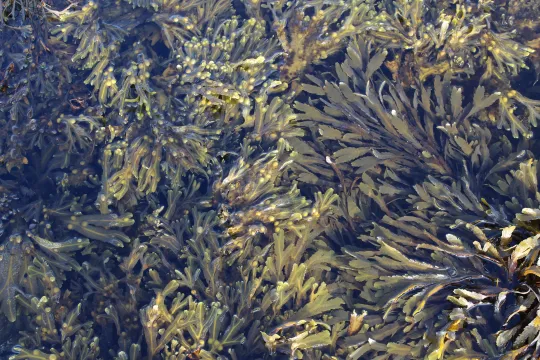
- This article discusses the ecological importance of seaweed ecosystems, why these ecosystems are shrinking globally, and the potential of seaweed to sequester large amounts of carbon.
- Students will learn about the ecosystem services seaweed provides and how we can ensure seaweed ecosystems are protected and restored.
Teaching Materials
Positives
- This article is pragmatic when discussing the degradation of seaweed ecosystems
- This article discusses the long-term carbon sequestration potential of seaweed thoroughly.
Prerequisites
- Students will benefit from understanding climate change and what it means to sequester carbon.
Differentiation & Implementation
- Teachers can use this article as a conceptual introduction to blue carbon and how it relates to climate change mitigation.
- This article can enhance a classroom discussion on seaweed restoration projects worldwide.
- This article can support a classroom discussion on how different countries and continents approach seaweed ecosystem restoration.
This article from Project Drawdown briefly introduces the use of macroalgae forests in the ocean to sequester carbon dioxide. An introduction to the topic and the methodology, results, and discussion sections give students an excellent overview of using carbon sinks to help combat climate change. The article is well-sourced from a peer-reviewed paper.
Teaching Tips
Standards
Resource Type and Format
Scientist Reviewed
This resource has been reviewed by SubjectToClimate's climate scientists and verified for scientific accuracy and up-to-date information. Our review process ensures that every resource in our library reflects the current state of climate science.
Learn about our review process →