
Fossil Fuels and Climate Change
Provided by: MIT Environmental Solutions Initiative|Published on: June 17, 2022|Last updated: July 16, 2026
Grades: 9, 10, 11, 12
Type: Lesson Plans
Subjects: Earth and Space Sciences, English Language Arts
Authors: MIT Environmental Solutions Initiative
Location: North America, North America > United States
This resource has been reviewed by SubjectToClimate's climate scientists and verified for scientific accuracy and up-to-date information. Learn about our review process →
This resource has been reviewed by SubjectToClimate's climate scientists and verified for scientific accuracy and up-to-date information. Learn about our review process →
Synopsis
- This lesson and accompanying podcast teaches students about fossil fuels, where they come from, how they are used, and the consequences of their extraction and use.
- Students will be introduced to renewable and non-renewable energy sources and will understand the relationship between climate change and non-renewable energy sources.
Teaching Materials
Positives
- The educator guide is downloadable and includes standards, lesson objectives, an answer key, a table of contents, and other helpful resources for teachers to successfully deliver the lesson.
- The podcast, featuring Dr. John Reilly of MIT Sloan School of Management, is engaging, informative, and accessible.
Additional Prerequisites
- The full educator guide includes teacher pages and student pages, but there is an option to download a PDF version of the student pages and teacher pages separately.
- There is also a guide for teachers who need support with how to use all TILclimate Educator Guides.
Differentiation
- ELA classes can use this resource as a guide to conduct a research paper on energy sources, fossil fuel consumption, and the consequences of our current fossil fuel dependency.
- Civics classes can discuss policy proposals to reduce our use of fossil fuels, their potential effectiveness, the likelihood of implementation, and obstacles to passing them.
- Other resources related to these topics include this lesson about carbon pricing to reduce emissions, this interactive data set about global fossil fuel consumption, and this video with accompanying materials about the carbon cycle and formation of fossil fuels.
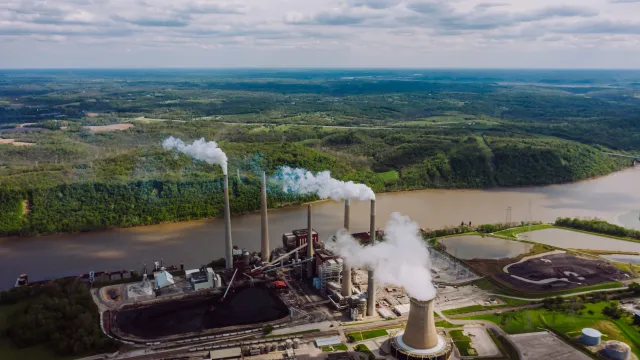
This resource includes a podcast in which an MIT expert is interviewed and discusses the history of human use of fossil fuels including coal, oil, and natural gas. Energy transitions between coal to oil and, more recently, natural gas via hydraulic fracturing ("fracking") are also discussed. A transcript and educator's guide, along with additional resource links, are provided. This resource is recommended for teaching.
Teaching Tips
Standards
Resource Type and Format
Scientist Reviewed
This resource has been reviewed by SubjectToClimate's climate scientists and verified for scientific accuracy and up-to-date information. Our review process ensures that every resource in our library reflects the current state of climate science.
Learn about our review process →