
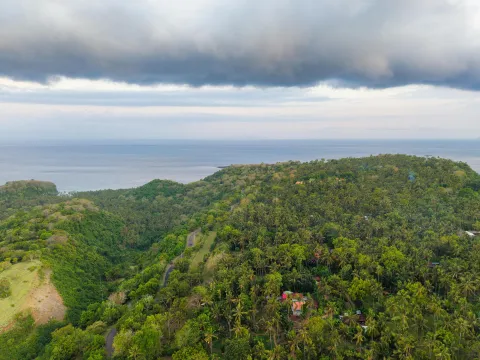
Food, Agriculture, and Land Use in Southeast Asia
Grades: 9, 10, 11, 12, AP
Type: Scientific Reports
Subjects: Biology, Health
Authors: Emily Cassidy, James Gerber, Ph.D
Location: Asia
This resource has been reviewed by SubjectToClimate's climate scientists and verified for scientific accuracy and up-to-date information. Learn about our review process →
This resource has been reviewed by SubjectToClimate's climate scientists and verified for scientific accuracy and up-to-date information. Learn about our review process →
Synopsis
- This report from Project Drawdown explains the methods and benefits of implementing the most impactful climate solutions for Southeast Asia, caused by emissions from food choices, agriculture, and land use changes.
- Students will understand how changing various agricultural practices, stopping deforestation, protecting mangroves and peatland, and reducing food waste will reduce emissions in Southeast Asia.
Teaching Materials
Positives
- This report is very extensive, covering information from methods and limitations to country-specific data.
- The report is organized well and broken up into manageable sections that reduce overwhelm in readers.
Prerequisites
- It may benefit students to already understand how agriculture and land use impact climate change. This video lesson gives a good overview of modern agricultural practices and their impacts.
- Students should be familiar with greenhouse gases and their role in the greenhouse effect.
Differentiation & Implementation
- Teachers with limited class time can focus on reading the Key Findings, rather than downloading the publication.
- Students can form jigsaw groups, with each group reading through a different solution or focusing on the country-specific sections. After reading and discussing, students can share their findings with the class.
- Teachers can print a selection of the graphs, charts, and maps in the report, post them around the room, and have students take part in a gallery walk, writing down what they notice as they go through.
- When thinking about deforestation, students can also discuss the habitat destruction and fragmentation that result from it, and the impact this has on wildlife and biodiversity.
- Teachers can use the Benefits to People sections to demonstrate the connection between the Sustainable Development Goals, focusing on SDG 2, Zero Hunger, SDG 3, Good Health and Well-Being, SDG 8, Decent Work and Economic Growth, and SDG 13, Climate Action.
This resource discusses a study focused on how to reduce emissions from food, agriculture, and land use in Southeast Asia. The resource includes a full roadmap detailing the impacts of emissions and how emissions can be reduced, along with a short article summarizing the key points. The roadmap is a great example of how there are many different actions and solutions that can be taken to reduce emissions and climate change impacts. The information presented is accurate, and this resource is recommended for teaching.
Teaching Tips
Standards
Resource Type and Format
Scientist Reviewed
This resource has been reviewed by SubjectToClimate's climate scientists and verified for scientific accuracy and up-to-date information. Our review process ensures that every resource in our library reflects the current state of climate science.
Learn about our review process →