
Bug Study
Provided by: Learning for a Sustainable Future|Published on: August 10, 2026|Last updated: August 10, 2026
Grades: K, 1, 2, 3
Type: Activity - Outdoors
Subjects: Science
Authors: Evergreen
Location: Earth
This resource has been reviewed by SubjectToClimate's climate scientists and verified for scientific accuracy and up-to-date information. Learn about our review process →
This resource has been reviewed by SubjectToClimate's climate scientists and verified for scientific accuracy and up-to-date information. Learn about our review process →
Synopsis
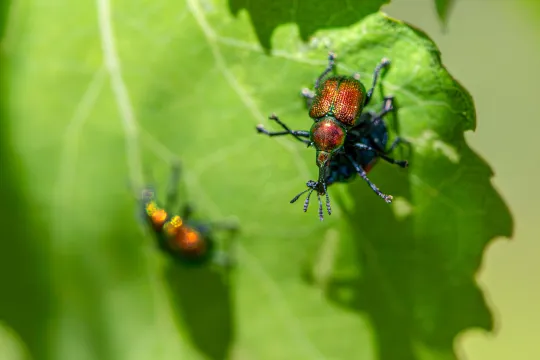
- This outdoor activity has younger students investigate the small creatures that live in a naturalized area of the school yard, using simple materials and their senses.
- Students describe how organisms move, classify plants and animals, and investigate how tiny animals meet their survival needs, building scientific inquiry skills and an appreciation for insects.
Teaching Materials
Preparation:
- Send a letter to families to dress students in suitable clothing.
- Find out about any student allergies to insects and take safety measures accordingly.
- Check the weather ahead of time to ensure it is appropriate for outdoor activities.
- Gather materials (hoops or similar, magnifying glasses) for each student group.
Classroom Implementation:
- Use a variety of data tables and graphs based on student data to build early numeracy skills in science.
- Explain to students that ecologists use quadrats, which are similar to the hoops, to quantify biodiversity in an area.
Extensions:
- Extend the investigation by exploring a different type of local habitat and comparing the insect species found.
- Discuss the important roles insects play in food production and healthy ecosystems.
This resource is a schoolyard insect survey activity. Directions are very clear and a helpful list of readings is included. Strong connections are made to conservation and respecting habitats. This resource is recommended for teaching.
Teaching Tips
Standards
Resource Type and Format
Scientist Reviewed
This resource has been reviewed by SubjectToClimate's climate scientists and verified for scientific accuracy and up-to-date information. Our review process ensures that every resource in our library reflects the current state of climate science.
Learn about our review process →