
Biodiversity Series: Native Vs. Invasive Plants
Provided by: National Environmental Education Foundation (NEEF)|Published on: August 20, 2026|Last updated: August 23, 2026
Grades: 6, 7, 8
Type: Lesson Plans
Subjects: Biology, Mathematics
Authors: National Environmental Education Foundation (NEEF), Frost Science
Location: North America > United States > Florida

This resource has been reviewed by SubjectToClimate's climate scientists and verified for scientific accuracy and up-to-date information. Learn about our review process →
This resource has been reviewed by SubjectToClimate's climate scientists and verified for scientific accuracy and up-to-date information. Learn about our review process →
Synopsis
- In this project, students conduct a mini BioBlitz, surveying a local site to determine species richness and to identify whether the plants there are native or invasive.
- Students record and analyze their data, then design a biodiversity action plan proposing how invasive plants could be removed to improve the health of the area.
- The background reading uses Florida's Invasive Species Challenge to show how invasive plants can crowd out native species.
Teaching Materials
Materials:
- To conduct the plant surveys, students will need:
- Identification guides
- Measuring tape or ruler
- Printed data collection worksheet
- Writing utensils
- Field work attire (recommended)
- Disposal bag or location (optional)
- Gloves (optional)
- Small shovel or trowel (optional)
- Smartphone, tablet and/or computer with camera and SEEK or LeafSnap apps (optional)
- Quadrats (optional)
Classroom Implementation:
- Some of the content and resources are specific to Florida; however, the background information and activity can be used anywhere, though additional resources or information on local native and invasive plants may be needed.
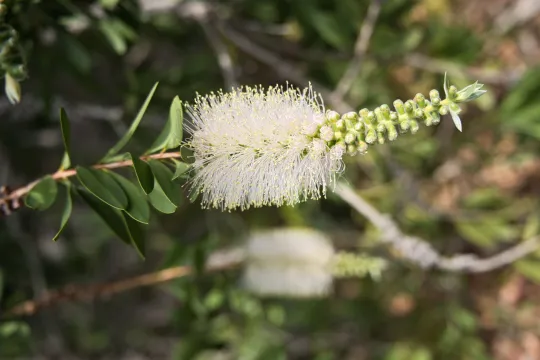
- Use the melaleuca story highlight to prompt discussion of unintended consequences, since the tree was originally introduced on purpose before it became invasive.
- Compile findings from different students to calculate data statistics and make general claims about the sampling site.
- If you choose to do the extension activity, have students research how specific invasive species spread and what safety precautions they require before removing them, since some plants can cause irritation.
Literacy Connections:
- Have students write sentences about the project using the vocabulary words provided by the resource.
- Provide sentence frames for students to report their findings using scientific language and structures.
Teaching Tips
Standards
Resource Type and Format
Scientist Reviewed
This resource has been reviewed by SubjectToClimate's climate scientists and verified for scientific accuracy and up-to-date information. Our review process ensures that every resource in our library reflects the current state of climate science.
Learn about our review process →