
UN Climate Report: World Is on ‘Thin Ice’
March 21, 2023

“Everything, everywhere, all at once” — that’s what United Nations (UN) Secretary General Antonio Gutierrez says is needed to stop climate change's worst potential effects on our world. His comments reflect the findings of Monday’s new UN report.
The UN's top climate scientists put the report together. It analyzed 200 years' worth of data. The report looked at the effects of warming on the environment. That includes glacial melting, higher carbon levels in the atmosphere, and the increasing frequency and strength of storms.
Gutierrez described the fate of humanity as “on thin ice.” He outlined the biggest effects of a warming world. He also pointed to the report as a blueprint for avoiding those outcomes.
The UN’s scientists call for limiting overall warming to 1.5 degrees Celsius (2.5 degrees Fahrenheit) by 2050. 196 nations, including the US, agreed upon that number in the 2015 Paris Climate Agreement. Scientists say temperatures have already risen in the Industrial Age by 1.1 degrees Celsius. To slow warming, the report suggests, rich countries like the US and China must get to net zero emissions as early as 2040. Developing countries must do so by 2050. The US and China make most of the greenhouse gasses. Those gasses cause climate change.
Many experts, though, say it’s not too late. “Let the bad news sink in but recognize that it need not be fate. A bright future awaits if we’re willing to build it,” one expert told TIME.
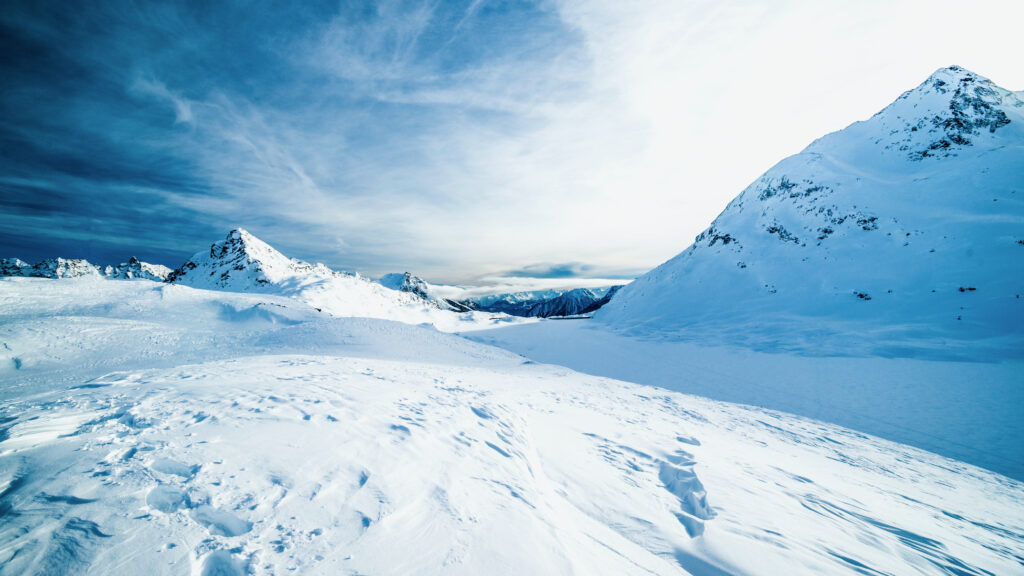
Photo by Alberto Restifo courtesy of Unsplash.
News brought to you by 
Read More News Stories Today!