
To Save the Planet, South Florida Halts Planting Iconic Palm Trees
December 20, 2021

South Florida is famous for its palm trees lining boulevards, sidewalks, and boardwalks. But now cities in the Sunshine State, including Miami Beach and West Palm Beach, are planting alternatives to palms like shade trees.
The reason? Shade trees absorb much more carbon dioxide (CO2). The gas drives climate change. The trees also do more to cool down streets and sidewalks. So, they slow climate change by working against the “urban heat island effect.” That occurs when pavements, buildings, and other surfaces blanket much of our cities.
But fear not: The cities aren’t planning to chop down any existing palm trees. Instead, they’re planting oak, mahogany, ash, elm, sycamore, and other hardwood trees in the South Florida cities. The palms are among the most fragile trees in the region. Many of them cannot survive cold snaps and are threatened by development.
Trees play a critical role in helping save the planet. They absorb CO2 and store it through photosynthesis. That process also creates oxygen.
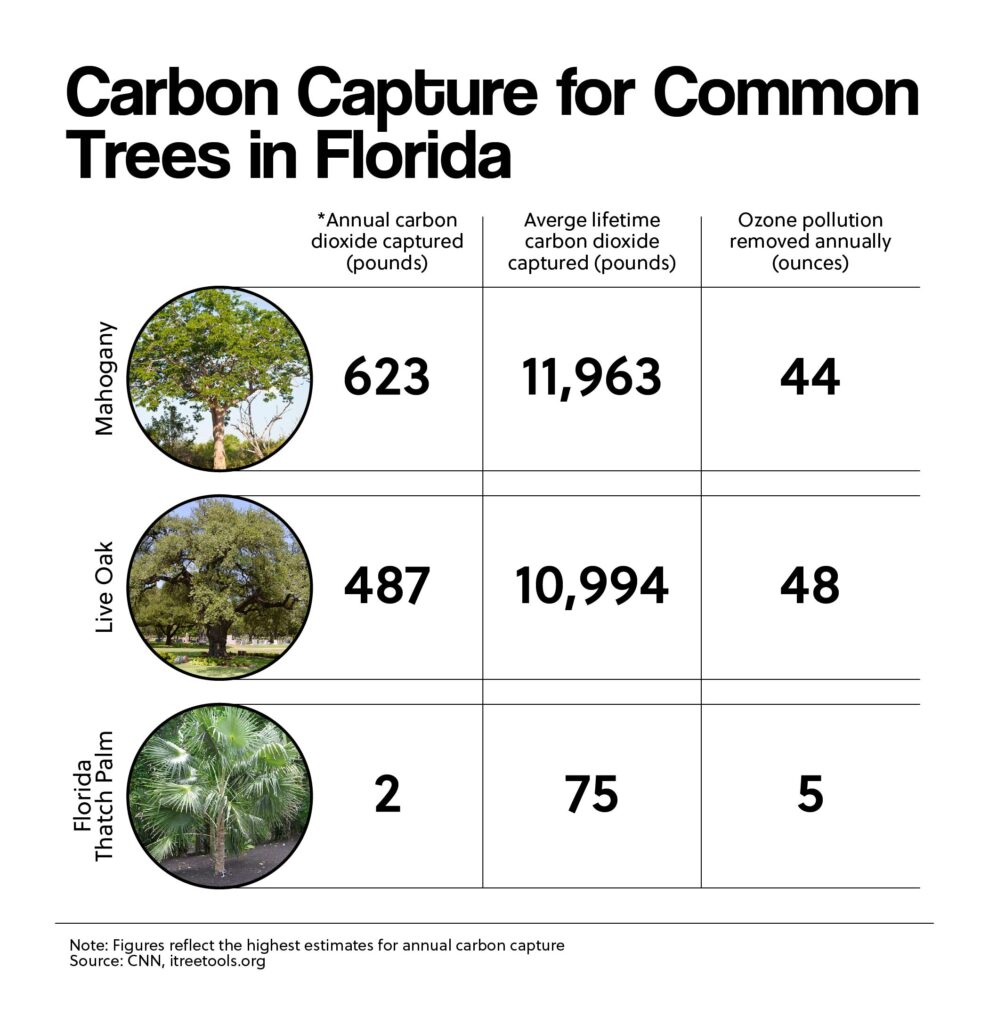
But palm trees absorb an average of just 5 pounds of CO2 per year. Oaks and other hardwood trees absorb an average of 48 pounds per year. The hardwood shade trees should make up most of the population of trees in the two cities by 2050.
So before long, the cityscapes – and Florida postcards – will look a whole lot different.
Photo from Reuters.
News brought to you by 
Read More News Stories Today!