

Out of the Bag: Cat Lockdown Ends In German Town
August 18, 2022

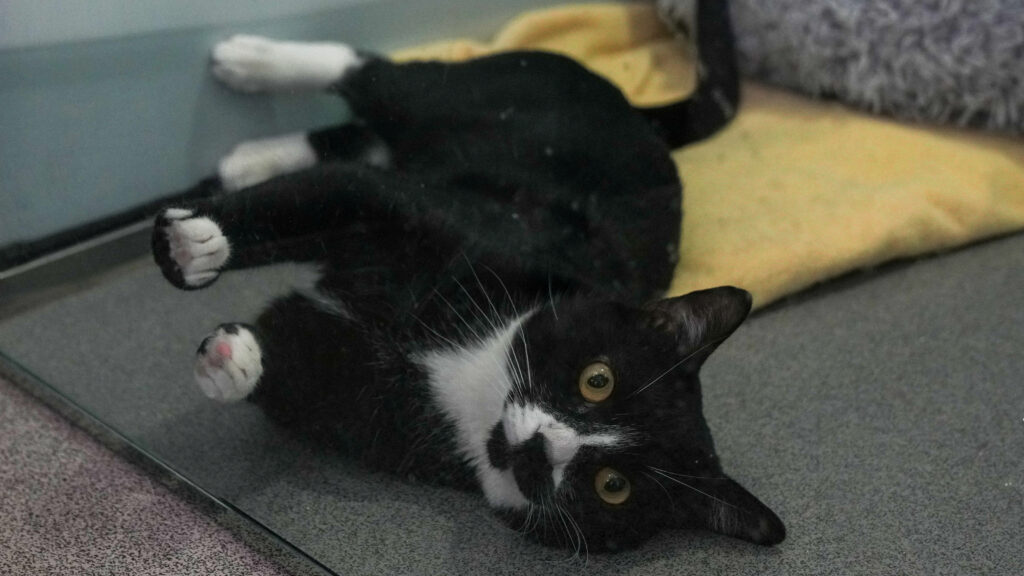
Cats in the German town of Walldorf are finally getting a taste of freedom. The cats have been on a summer lockdown. All domestic cats in the city have been kept indoors, though not for their own protection.
The rule is all about the birds.
"Since the crested lark is threatened with extinction,” local officials explained, “cats pose a particular threat, and the (lockdown) measure is suitable, necessary and appropriate."
The crested lark was once found all over Europe. Its population in the Walldorf region, though, is down to just three breeding pairs.
It’s unclear if the cats have hurt the larks. Officials, though, took no chances. In addition to the lockdown, the city put in place a €50,000 ($50,826) fine for pet owners whose cats injured or killed larks. The lockdown and fines were lifted when city officials discovered the birds had completed their nesting cycle two weeks early. Even so, debate over the rules remains.
The German Animal Welfare Federation said the rules could cause the cats to become stressed if they are used to going outside. Yet others thought it was worth the risk. A scientist at Georgetown University said cats kill up to 4 billion birds yearly in the US alone. He told The Guardian that he felt the lockdown was necessary. He argued, “we shouldn’t wait until it’s down to a few individual birds.”
The rules will be back next summer. So, the debate is far from over.
Photo from Reuters.
News brought to you by 
Read More News Stories Today!