

Space Agency Wants Moon to Have Own Time Zone
March 6, 2023

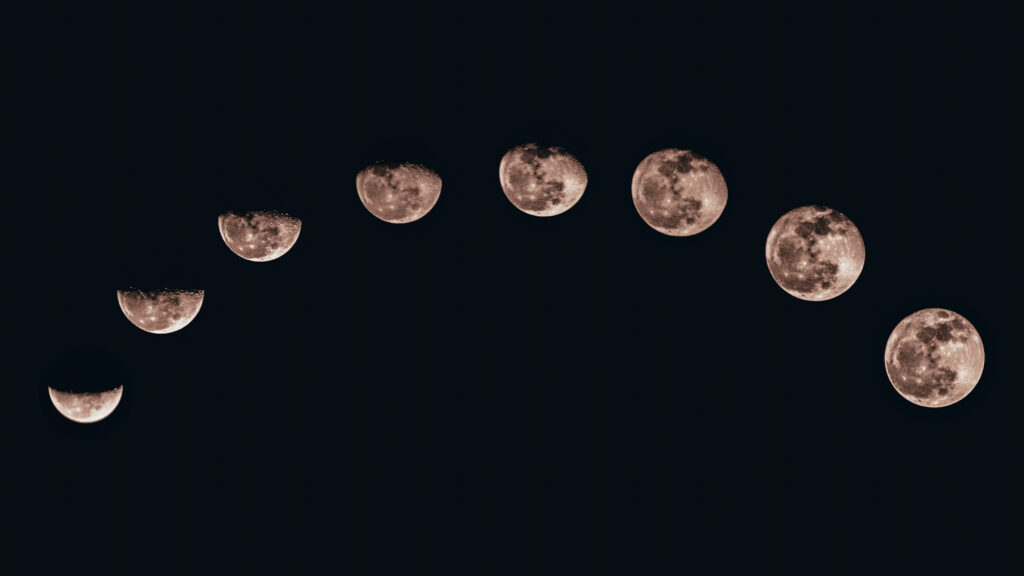
With the chance of multiple future missions turning the moon into a Grand Central Station in space, scientists are trying to create a time zone for our closest celestial neighbor. It won’t be easy.
Currently, lunar time is whatever time it is in the country running the ship that lands on the moon. So far only the US, China, and Russia have put either humans or robots on the moon. That will change. Other countries are planning lunar missions within the next 10 years.
So the European Space Agency (ESA) has “agreed on the importance and urgency of defining a common lunar reference time,” said an ESA navigation system engineer.
Some have recommended that the moon’s time be set at Coordinated Universal Time (UTC) which is the same as Greenwich Mean Time (GMT). That's five hours ahead of Eastern Standard Time. The International Space Station follows GMT. But this method is not exact. Spaceships in different locations are out of sync with each other.
There are other issues to consider too. For one, clocks on the moon run faster. They're ahead of Earth clocks by roughly 56 microseconds (56 millionths of a second) every day. Also, clocks on ships orbiting the moon vary slightly from those on the surface.
Finally, scientists wonder whether there should be more than one time zone on the moon. If so, how would that work? The moon rotates very slowly. It takes 27.3 days to rotate. That's nearly as long as it takes to revolve around the earth. The Earth rotates every 24 hours.
As ESA’s head of strategic planning said, “This will be quite a challenge.”
Photo by Sanni Sahil courtesy of Unsplash.
News brought to you by 
Read More News Stories Today!