

Scientists to Spy on Animals During April Eclipse
March 27, 2024

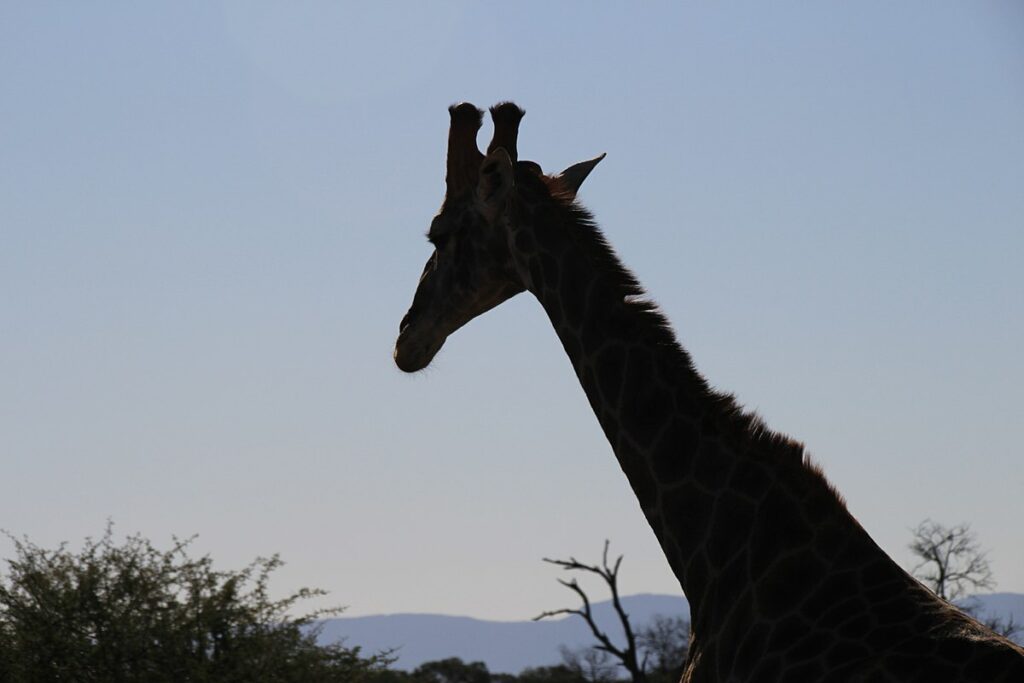
Were the animals of the world to watch humans during a total solar eclipse, they might think us strange indeed. They'd see a whole species looking skyward, eyes shielded with odd sunglasses, oohing and ahhing for a few minutes. It turns out, though, that we may not be the only creatures prone to odd actions during an eclipse. On April 8, 2024, while North America scopes out four minutes of moon-blotted sun, some scientists will have their eyes trained on animals, rather than the sky.
During the last total eclipse to clip the US, people at zoos across the nation noted some animals acting oddly. Many of the creatures did striking things, researcher Adam Hartstone-Rose told The Associated Press (AP). He observed animals at the Riverbanks Zoo in South Carolina in 2017. As the sun vanished behind the moon, giraffes took off at a gallop. Flamingos huddled around their chicks. Gibbons began singing an unknown tune. And the tortoises? They got romantic.
The tortoises commonly do "nothing all day," Hartstone-Rose said. Yet during the peak of the eclipse, they started breeding, he stated.
This year, researchers are setting up shop at zoos across America. They hope to see how animals react to a springtime eclipse. They note, though, that their window during April's event may be brief.
“It’s really high stakes. We have a really short (time) to observe them and we can’t repeat the (study),” an entomologist told the AP.
Reflect: If animals could talk, what would they tell us is the weirdest thing humans do?
Photo of giraffe courtesy nearsjasmine on Wikimedia Commons.
News brought to you by 
Read More News Stories Today!