
Often Reviled, Waste Pickers Gain New Respect as Environmental Heroes
August 10, 2022

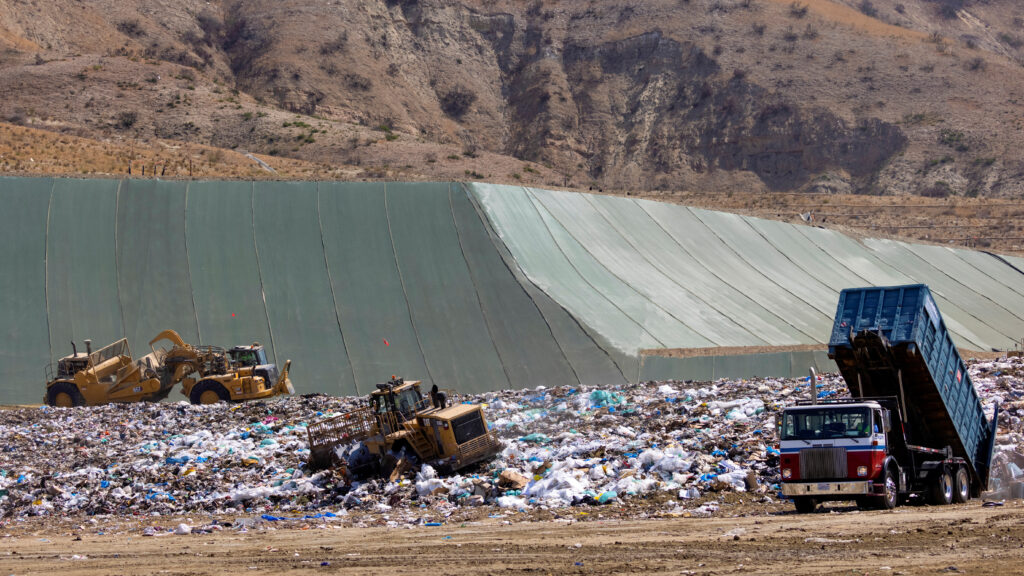
For too long they were mocked around the world as “rubbish vultures,” “rag and bone men,” and even worse, “garbage people.” The terms refer to people who make a living by sorting through landfills. They do that in search of reusable items. Today, these "waste pickers" are being praised as environmental heroes.
That’s because they are putting a lot of recyclables back into use. There are around 20 million people who do this work. Nearly a fifth of them belong to groups created to help those who search through landfills. That's according to the Global Alliance for Waste Pickers (GAWP). (Yes, there’s even a website for it.)
They organize for a few reasons. Among them: recognition, safe access to landfill sites, and safety. And why not? They often work amid threats and bad conditions.
A May survey published in The Times of India found that 81% of waste pickers there felt unsafe. That’s because in India, there has been an increase in landfill fires.
In late December, Turkish officials arrested hundreds of undocumented migrant waste pickers. They were sent to deportation centers.
“It’s not just the occupation, if you look at who the waste pickers are, they are ... minorities,” a leader from GAWP told the Australian Broadcasting Corporation. “So you have people who are largely dispossessed because of historical circumstances.”
Attitudes are changing, though. Last month the government of Fiji recognized the country’s waste pickers. In May, the United Nations spoke about the “significant contribution” of these workers. It did that as part of a treaty to fight plastic pollution.
It’s all about respect.
Photo from Reuters.
News brought to you by 
Read More News Stories Today!